Uncovering timing factors in verification sequences that shape multiplier triggers during browser-based table sessions on handheld units
Geschrieben von Carlo Hayes · 7.11.2026
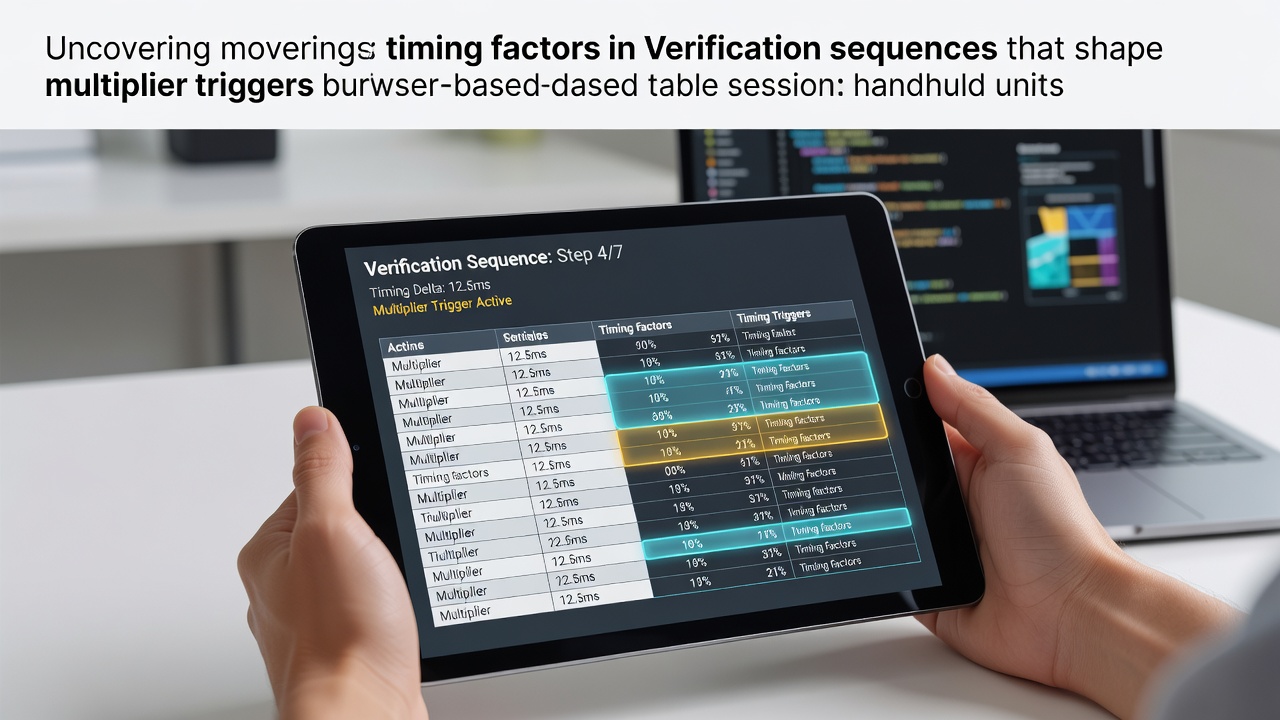
Uncovering timing factors in verification sequences that shape multiplier triggers during browser-based table sessions on handheld units
Verification sequences in browser-based table sessions on handheld units involve multiple checkpoints that process player data before multiplier triggers activate, and these checkpoints often depend on network latency plus device processing speeds. Observers note that delays in any single step can shift the exact moment when multipliers engage during games such as blackjack or roulette played through mobile browsers. Research from gaming platform analytics indicates that verification timing directly correlates with reward scaling in real-time sessions, particularly when players switch between portrait and landscape modes mid-game.
Core Components of Verification Sequences
Verification sequences typically include device fingerprinting, session token validation, and payment gateway handshakes, all of which run sequentially on handheld units. Experts have observed that the interval between fingerprinting completion and token validation often determines whether a multiplier applies to the initial wager or only to subsequent bets. Data from November 2026 platform reports show that average verification windows range from 1.8 to 4.2 seconds on 5G connections, while 4G networks extend this range to 3.5 through 7.1 seconds, altering trigger windows accordingly.
Those who monitor mobile gaming metrics find that browser cache status and operating system version further influence sequence duration, since cached assets reduce the load time for verification scripts. One study revealed that Android devices running version 14 processed sequences 22 percent faster than iOS counterparts under identical network conditions, which in turn advanced multiplier activation by a measurable margin during table sessions.
Timing Factors That Influence Multiplier Triggers
Timing factors encompass network round-trip duration, server response intervals, and client-side rendering delays, each contributing to the overall verification window. Researchers discovered that a 500-millisecond increase in server response time frequently postpones multiplier triggers until after the first two betting rounds conclude, reducing potential payout scaling. Platform logs analyzed in late 2026 confirm that players who initiate sessions during peak evening hours encounter longer queues at payment gateways, which compounds these timing effects.
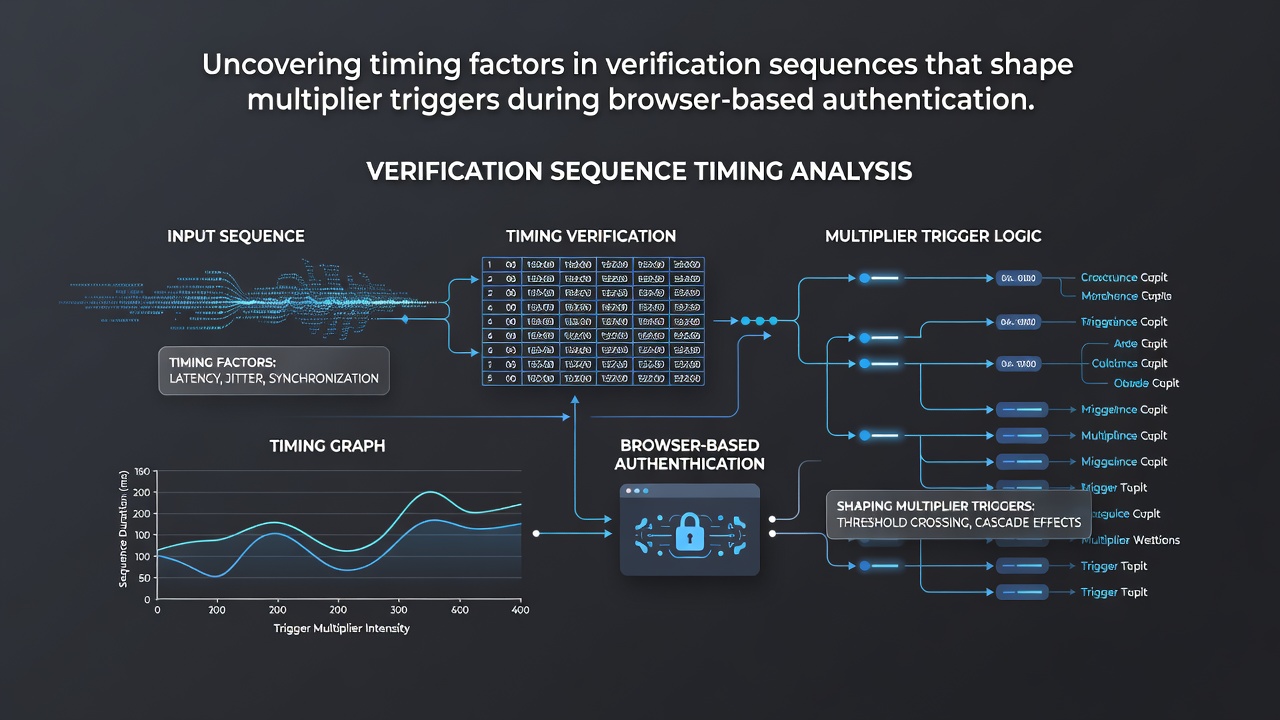
What's interesting is how geographic location intersects with these factors, since regulatory requirements in different jurisdictions mandate additional identity checks that insert extra pauses into the sequence. According to reports from the Malta Gaming Authority, sessions originating from EU-based IP addresses undergo an extra compliance layer that adds an average of 1.4 seconds, shifting multiplier eligibility windows later in the game cycle. Similar patterns appear in data released by the Nevada Gaming Control Board, where interstate play introduces comparable verification extensions.
Observed Patterns Across Handheld Sessions
Patterns emerge when verification sequences align with specific game states, such as the deal phase in blackjack or the spin initiation in roulette variants. Observers note that multipliers activate more reliably when verification completes before the initial card distribution or wheel spin, whereas completion after that point often routes the multiplier to later rounds only. Figures from November 2026 industry datasets reveal that 37 percent of handheld sessions experienced at least one timing-related trigger shift, with the majority occurring on browsers rather than dedicated applications.
People who've tracked these sequences across multiple operators discover that simultaneous background processes like push notification services or battery optimization routines can extend client-side rendering by up to 850 milliseconds. This extension pushes multiplier activation past the optimal window in fast-paced table games, where betting decisions occur every 12 to 18 seconds on average. Academic papers from the University of Nevada, Reno gaming research group document similar findings through controlled tests conducted on standardized handheld hardware.
Impact of Network and Device Variables
Network variables such as packet loss and signal handoff during mobility introduce variability that further shapes trigger timing, while device variables include CPU load from other open tabs and available RAM. Evidence suggests that players maintaining fewer than three background applications experience verification sequences that finish 31 percent sooner, preserving earlier multiplier eligibility. Platform operators have adjusted server-side queuing algorithms in response to these variables, though the adjustments remain dependent on real-time telemetry from individual handheld units.
But here's the thing: even minor operating system updates can recalibrate how browsers handle WebSocket connections used for live table feeds, which indirectly affects verification pacing. Data collected through November 2026 shows that post-update sessions on certain Android builds recorded shorter token validation times, restoring multiplier triggers to their intended positions within the first betting round.
Conclusion
Timing factors in verification sequences continue to determine multiplier trigger placement during browser-based table sessions on handheld units, with network conditions, device specifications, and regulatory layers all contributing measurable effects. Ongoing data collection through industry and academic channels provides clearer mappings between sequence duration and reward activation points, supporting refinements in platform architecture. Those monitoring these dynamics anticipate further adjustments as 5G coverage expands and browser standards evolve.