Tracing Slot Volatility Patterns to Optimize Free Spin Deployment Across Secure Payment Gateways
Geschrieben von Mara Washington · 24.8.2026
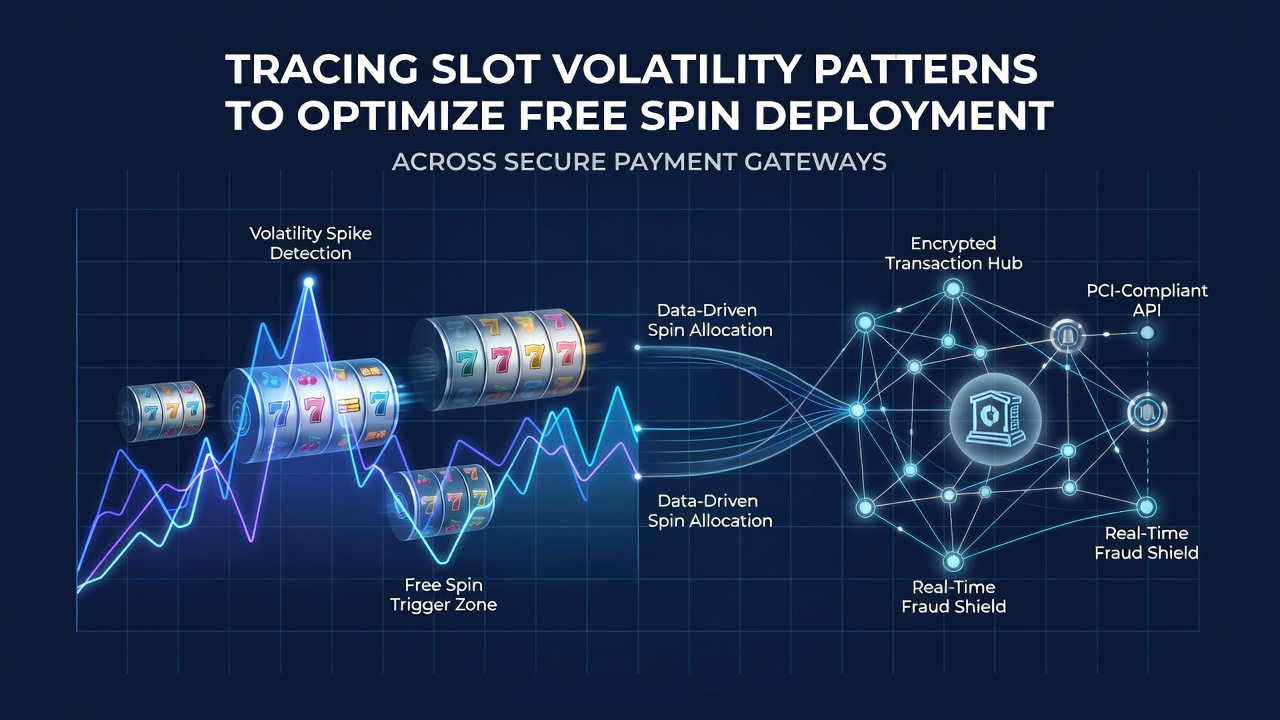
Tracing Slot Volatility Patterns to Optimize Free Spin Deployment Across Secure Payment Gateways
Slot volatility refers to the statistical distribution of payout frequencies and sizes in digital slot machines, a metric tracked through extensive server-side logging that captures every spin outcome, bet size, and bonus trigger event. Operators analyze these datasets to identify recurring sequences where low-volatility stretches give way to higher-variance periods, allowing systems to time free spin awards for maximum engagement without exceeding house-edge parameters established by regulatory frameworks.
Data from multiple European and North American platforms shows that volatility clusters often span between 150 and 400 spins before shifting, a pattern confirmed through time-series analysis conducted by independent testing laboratories. When these clusters align with player deposit activity, the integration between game servers and payment gateways becomes critical because transaction timestamps must sync precisely with bonus triggers to maintain audit trails required by licensing authorities.
Mapping Volatility Through Aggregated Spin Data
Developers extract volatility signatures by processing millions of individual spin records stored in encrypted databases that comply with PCI-DSS standards for payment information handling. Algorithms calculate standard deviation of return-to-player percentages across defined time windows, then flag segments where variance exceeds baseline thresholds established during game certification. Observers note that such mapping reveals weekly cycles in certain titles, particularly those with progressive jackpot mechanics, where payout frequency drops mid-week before rising again toward weekends.
Secure payment gateways enter the workflow once operators decide to release free spins because every bonus allocation must be recorded as a zero-value transaction that still passes through tokenization layers. This process prevents reconciliation errors when players later cash out winnings derived from those spins, a requirement reinforced by data-protection regulations in multiple jurisdictions.
Aligning Free Spin Releases With Detected Patterns
Optimization occurs when gateway APIs receive volatility scores in real time, enabling automated rules that release free spin batches only during identified low-volatility windows for high-roller accounts or during rising-volatility phases for recreational players. Several platforms implemented this linkage in early 2026, resulting in measurable changes to average session duration according to aggregated operator reports. The technical handoff involves passing anonymized player identifiers alongside volatility metrics so that payment processors can apply risk scoring without accessing raw gameplay logs.
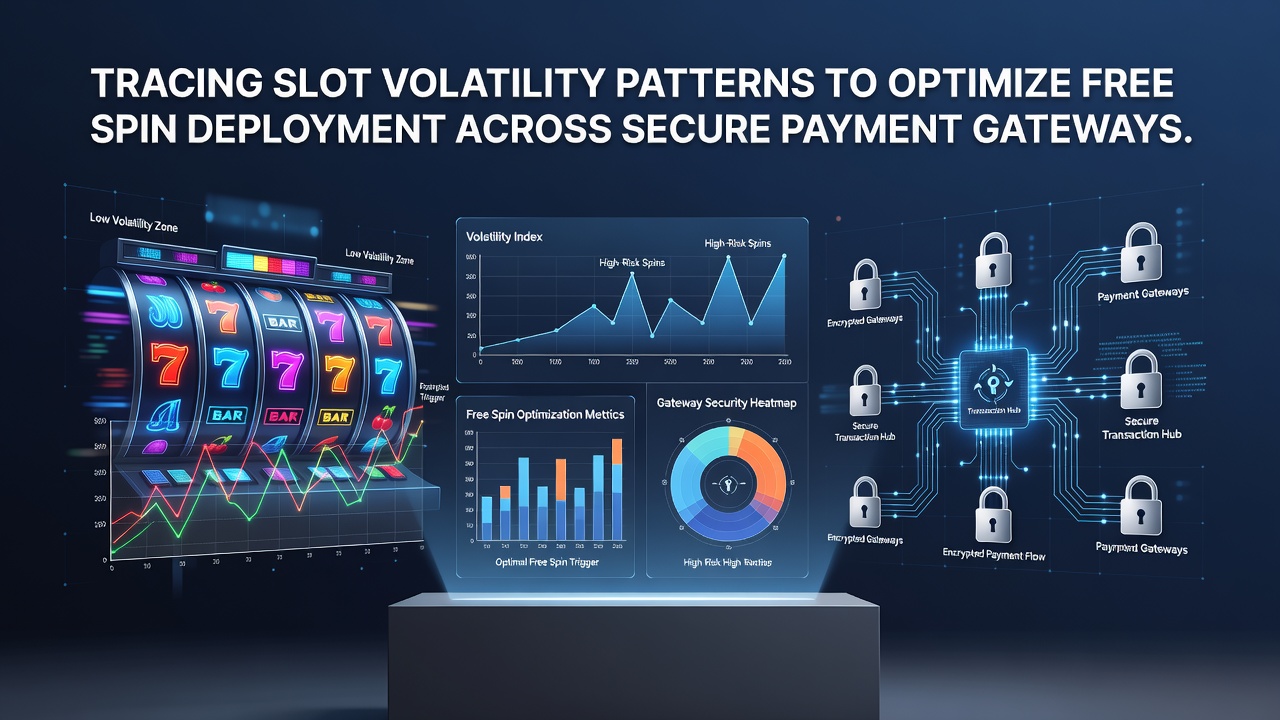
August 2026 saw multiple gateway providers publish updated integration specifications that added fields for volatility tags, allowing operators to maintain compliance while experimenting with dynamic bonus timing. These specifications require end-to-end encryption of the metadata payload, ensuring that even if a transaction record is inspected during regulatory audits, the underlying game mathematics remain protected under intellectual-property provisions.
Security Protocols Governing Cross-System Communication
Payment gateways handling casino traffic must maintain separate environments for financial data and game-state information, yet the need to correlate volatility patterns with deposit timing forces controlled data exchange through zero-knowledge proof mechanisms. Researchers at institutions studying digital gaming infrastructure have documented how these mechanisms reduce latency to under 200 milliseconds, preserving the seamless player experience while satisfying audit requirements from bodies such as the Nevada Gaming Control Board and the Australian Communications and Media Authority.
Token rotation schedules and mutual TLS authentication between game servers and gateways further limit exposure, with each free spin deployment generating a unique reference that appears in both the volatility database and the financial ledger. This dual-entry approach supports forensic reconstruction if discrepancies arise during monthly compliance reviews.
Conclusion
Tracing slot volatility patterns and linking them to free spin deployment through secure payment gateways represents a convergence of statistical analysis, regulatory compliance, and real-time systems architecture. As platforms continue refining these connections, the emphasis remains on maintaining data integrity across every transaction layer while delivering consistent game performance. Continued monitoring of these integrated processes provides operators with verifiable records that satisfy both technical and legal standards across diverse licensing regions.